
Lease Termination
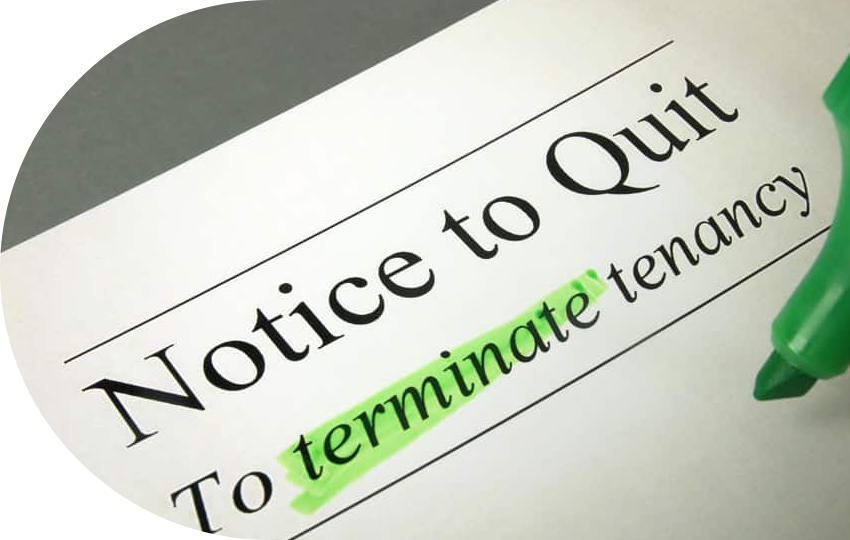


In Ontario, the termination of a commercial lease is governed by the Commercial Tenancies Act (CTA), R.S.O. 1990, c. L.7, together with the specific terms of the lease agreement between the landlord and tenant. Lease termination rights and procedures are not uniform and depend heavily on the nature of the default and the wording of the lease. Courts will strictly assess whether a landlord has complied with both the statute and the lease before upholding a termination.
-
A landlord may generally terminate a commercial lease where the tenant is in default, either due to non payment of rent or a breach of other lease covenants.
For monetary defaults, subsection 18(1) of the CTA permits a landlord to terminate the lease and re enter the premises if rent remains unpaid for 15 days. The statute does not require the landlord to give formal notice or demand before exercising this right, unless the lease itself imposes a notice requirement. Many modern commercial leases modify or override the statutory default period, so the lease must always be reviewed carefully before any enforcement action is taken.
For non monetary defaults, such as failure to maintain the premises or breach of use provisions, subsection 19(2) of the CTA imposes stricter requirements. The landlord must serve written notice on the tenant identifying the specific breach, demanding that it be remedied if the breach is capable of being remedied, and requiring compensation where appropriate. If this notice is not properly given, any attempt to terminate the lease may be invalid, and the lease may continue as if no termination occurred.
-
Even where a landlord has technically complied with the CTA, tenants may seek relief from forfeiture under section 20 of the Act. Relief from forfeiture allows a court to prevent the termination of a lease where it would be just to do so.
Relief is most commonly granted where the tenant remedies the default before judgment, such as by paying all outstanding rent, interest, and costs. If relief is granted, the lease is reinstated on its original terms, and no new lease is required. Courts will consider factors such as the seriousness of the breach, the tenant’s conduct, and whether the landlord has suffered prejudice. -
Some commercial leases permit termination even where the tenant is not in default. These rights arise only where the lease expressly provides for them. Common examples include termination rights tied to redevelopment, demolition, or sale of the property.
These clauses are typically landlord favourable and must be exercised strictly in accordance with the lease terms. Failure to comply with notice periods or conditions may expose the landlord to claims for wrongful termination or damages. -
When a tenant defaults, landlords generally have two primary remedies: termination and repossession, or distraint.
Termination and repossession involve ending the lease and retaking possession of the premises, often by changing the locks with the assistance of a bailiff. This option is often chosen where the landlord wants a clean break from the tenancy. However, once the lease is terminated, the landlord loses the statutory right to distrain the tenant’s goods for unpaid rent and must rely on litigation or contractual remedies to recover arrears.
Distraint allows a landlord to seize and sell a tenant’s goods to recover unpaid rent while keeping the lease in force. This remedy is only available if the lease remains intact. A landlord who terminates the lease cannot later distrain for rent.
Choosing the wrong remedy or combining remedies improperly can result in loss of rights or liability. -
Courts closely scrutinize lease terminations to ensure strict compliance with the CTA. In 780046 Ontario Inc. v. Columbus Medical Arts Building Inc., the court held that the landlord’s failure to provide proper notice under subsection 19(2) of the CTA rendered the termination invalid. As a result, the lease remained in force, and the tenant was not required to seek relief from forfeiture.
This decision highlights the importance of following the statutory notice requirements precisely, particularly for non monetary defaults. -
The termination of a commercial lease in Ontario is a technical legal process governed by both statute and contract. Landlords must carefully follow the CTA and the lease terms, particularly with respect to notice requirements. Tenants may have access to relief from forfeiture even after termination steps are taken. Both parties should seek legal advice before taking or responding to termination action, as mistakes can result in invalid terminations, lost remedies, or significant financial exposure.
Why Choose Haider Khan Legal?
We assist commercial landlords and tenants with negotiated, contractual, and contested lease terminations. Our office evaluates notice requirements, surrender terms, outstanding obligations, possession, damages, and releases to help clients achieve a clear and properly documented exit.
Request your Free and Confidential Consultation
Complete the short form to submit a consultation request. We will answer your inquiry within one (1) business day. We look forward to helping you achieve your legal objectives.