
L10 Application for Unpaid Rent and Property Damage
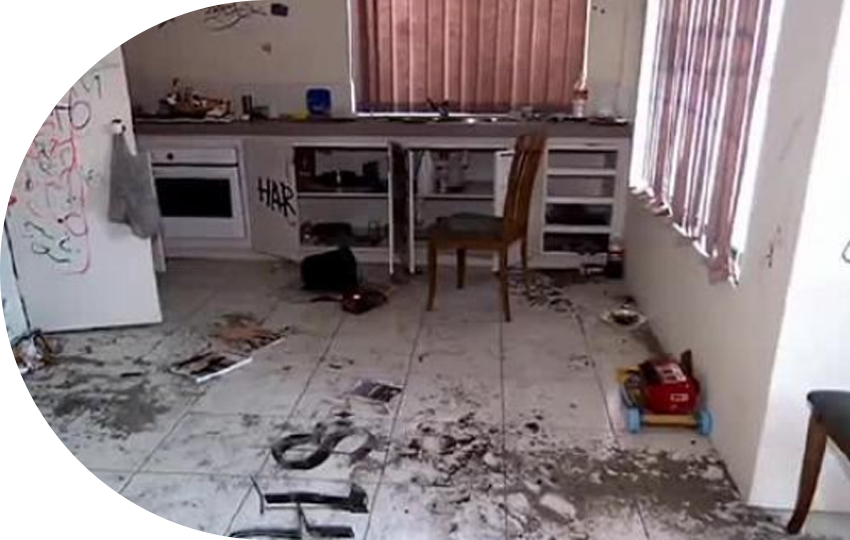


If your tenant has already moved out of the rental unit and left behind unpaid rent, damages, unpaid utilities, or other costs, the Ontario Landlord and Tenant Board (LTB) provides landlords with a specific tool: the Form L10 – Application to Collect Money a Former Tenant Owes.
This application allows landlords to recover financial losses without starting a new court action, provided the tenant moved out on or after September 1, 2021 and the application is filed within one year of the move-out date.
At Haider Khan Legal P.C., we help landlords prepare and file L10 applications, build evidence packages, and represent them at LTB hearings to secure payment orders that can be enforced through the Small Claims Court.
-
Our all-inclusive package covers:
A legal fees payment plan of up to three (3) months.
Preparation and proper service of the N12 Notice. Process serving fees are included.
Filing the L2 eviction application with the LTB (our fee includes the $186 LTB filing fee).
Drafting, organizing and serving evidence.
Preparing and coordinating relevant witnesses.
Attending the LTB hearing and representing you before the adjudicator.
Securing an eviction order.
If the tenant still refuses to leave after the order is granted, we will prepare and file sheriff enforcement paperwork (sheriff fees are not included and payable directly by the landlord to the Sheriff of your jurisdiction).
Please note that this fee only applies to standard tenant evictions for personal use. If your case is complex or requires extra steps, we reserve the right to quote an additional or increased fee. -
You may file a Form L10 if your former tenant has moved out and you wish to recover:
Unpaid Rent or Compensation – Rent arrears owed during the tenancy or compensation for each day the tenant occupied the rental unit after termination (for example, if they overstayed after a notice or termination agreement).
NSF Cheque Fees – Bank charges and administration fees (up to $20 per cheque) for rent cheques returned for non-sufficient funds.
Unpaid Utility Bills – Heat, electricity, and water costs the tenant was obligated to pay under the lease.
Property Damage – Costs to repair or replace property the tenant, their guest, or another occupant wilfully or negligently damaged.
Expenses from Substantial Interference – Costs you incurred because the tenant or someone they allowed into the unit substantially interfered with your reasonable enjoyment or lawful rights (e.g., false fire alarm charges, extra pest control visits).
Important: The LTB can order up to $35,000 in compensation ($50,000.00 starting October 1, 2025). If your losses exceed that amount, you must pursue your claim in the Superior Court. Once the LTB issues a decision, you cannot pursue the tenant for additional sums elsewhere.
-
You cannot use Form L10 if the tenant is still living in the rental unit.
For eviction and rent arrears together, use Form L1 (after serving an N4 notice).
For other monetary claims while the tenant is still in possession (like damage or utilities), file a Form L2 application.
-
The tenant must have moved out on or after September 1, 2021.
You must file the L10 application within one year of the tenant’s move-out date.
You must serve the application on the tenant(s) at least 30 days before the hearing. For requests for alternative service, this must be done at least 40 days before the hearing.
Missing this deadline means you lose your right to claim through the LTB.
-
To succeed in an L10 application, you will need:
Proof of Rent Arrears – Rental ledger, lease, bank statements, or payment records.
NSF Charges – Bank statements showing the fee, copies of the NSF cheques, and your administrative fee calculation (maximum $20 per cheque).
Utility Bills – Invoices showing the tenant’s share, proof of lease terms requiring payment, and receipts for any amounts paid by you.
Damage Evidence – Photos, contractor estimates, invoices, witness statements, or inspection reports showing the damage was wilful or negligent, not just normal wear and tear.
Substantial Interference Costs – Receipts, invoices, or official charges incurred due to the tenant’s conduct (e.g., false alarms, forced re-visits by service providers).
All evidence must be shared with the former tenant and the LTB by the disclosure deadline set out in Rule 19 of the LTB Rules of Procedure.
Contact us today if you would like to retain us to represent you in an L10 application.
Why Choose Haider Khan Legal?
We assist former landlords with L10 applications seeking eligible rent arrears, utility costs, or compensation for damage after a tenant has moved out. Our office organizes the supporting records, calculates the claim, and prepares the application and hearing materials in a clear and persuasive manner.
Request your Free and Confidential Consultation
Complete the short form to submit a consultation request. We will answer your inquiry within one (1) business day. We look forward to helping you achieve your legal objectives.